Climate volatility
Changing rainfall, heat and extreme events are reshaping how places and assets must be planned.
 Work with us
We integrate environment, infrastructure and people to transform environmental and climate risk into resilience and lasting value.
Explore our approachEnvironmental risk is no longer separate from economic, infrastructure or social performance.
Eco Africa brings these systems together — turning environmental intelligence into resilient decisions, infrastructure and long-term value.
Decisions made today must perform in a future shaped by connected pressures.
Changing rainfall, heat and extreme events are reshaping how places and assets must be planned.
Degraded natural systems increase exposure, weaken resilience and erode long-term value.
Growing communities need infrastructure that works with environmental limits, not against them.
A connected approach to environmental intelligence and resilient development.
Understand environmental, climate, biodiversity and infrastructure exposure before it becomes constraint.
Design systems, landscapes and infrastructure capable of adapting to environmental and social change.
Create enduring environmental, economic and social value through better-informed decisions.
Focused capabilities connecting nature, infrastructure, sustainability and intelligence to long-term value.
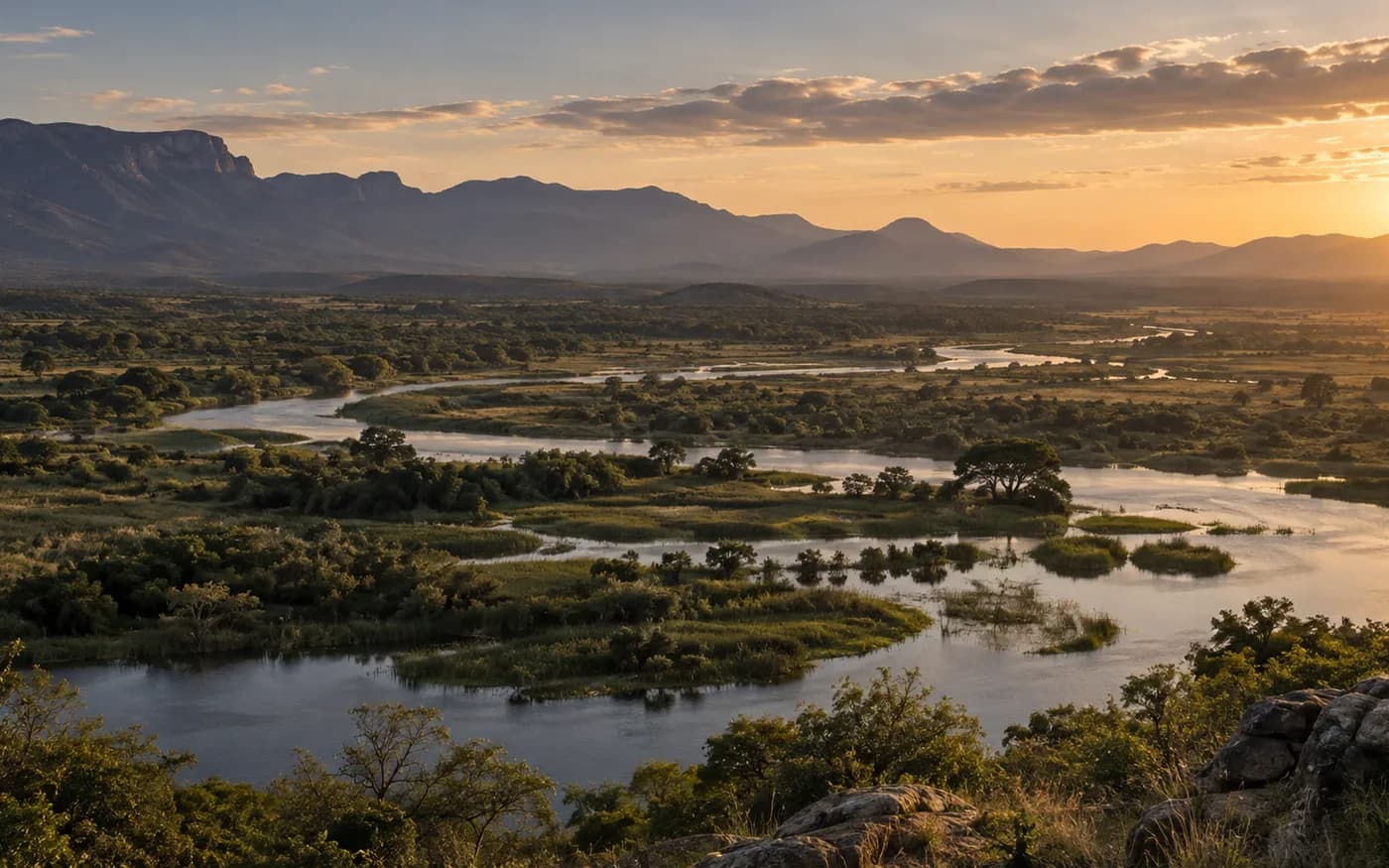
Healthy natural systems that strengthen landscapes, assets and communities.
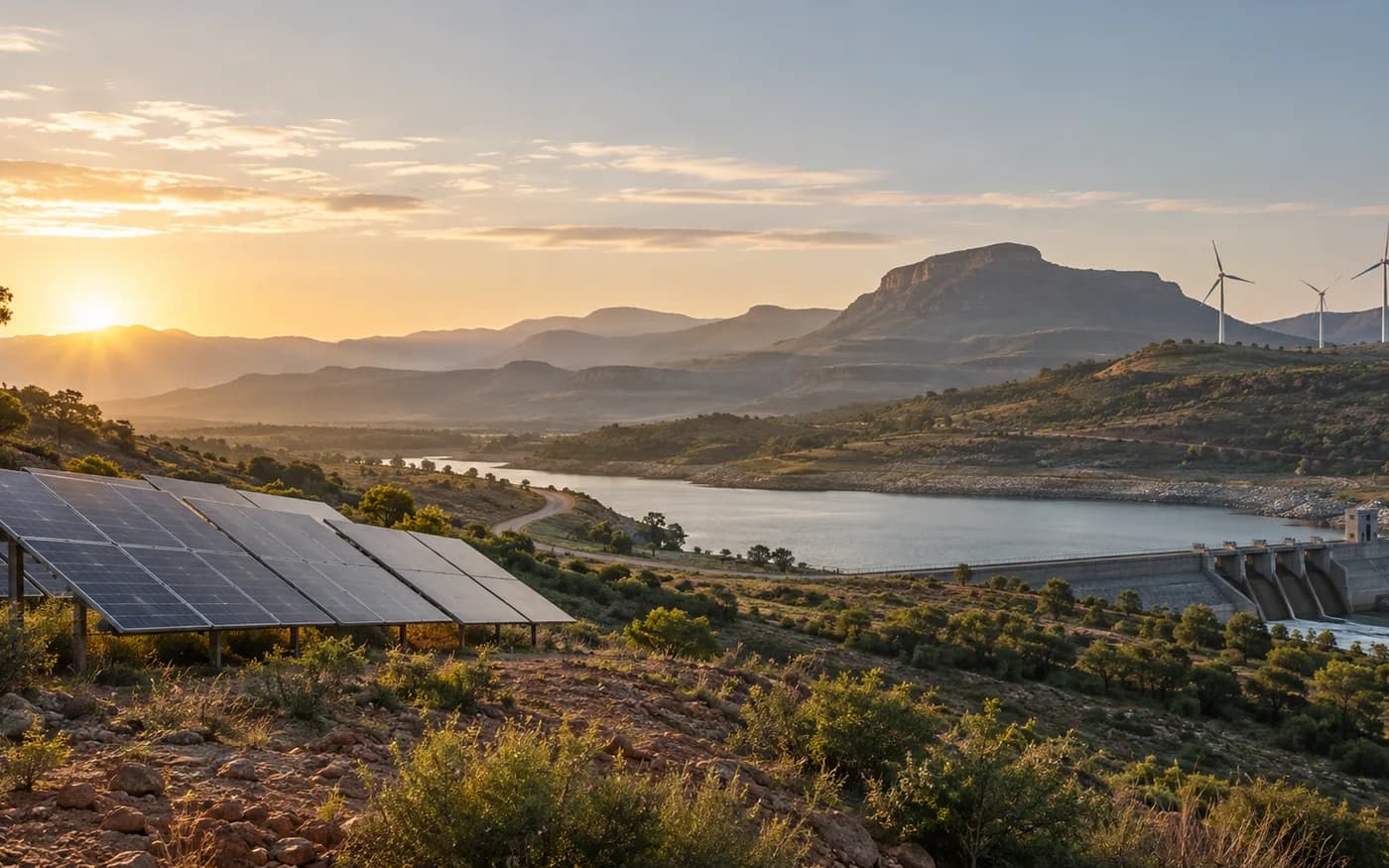
Resilient infrastructure and practical pathways for a changing climate.
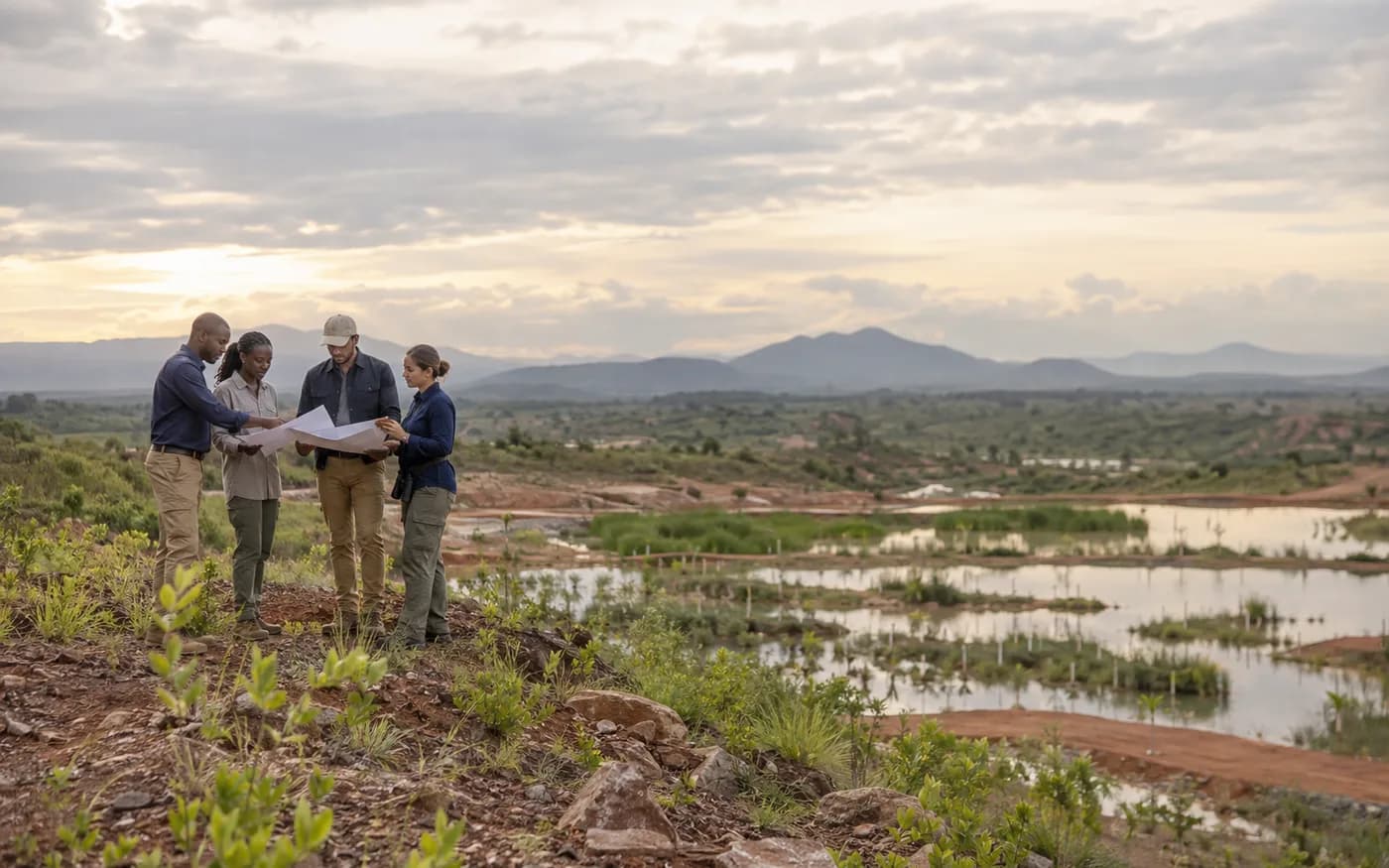
Strategy, governance and implementation aligned to enduring value.
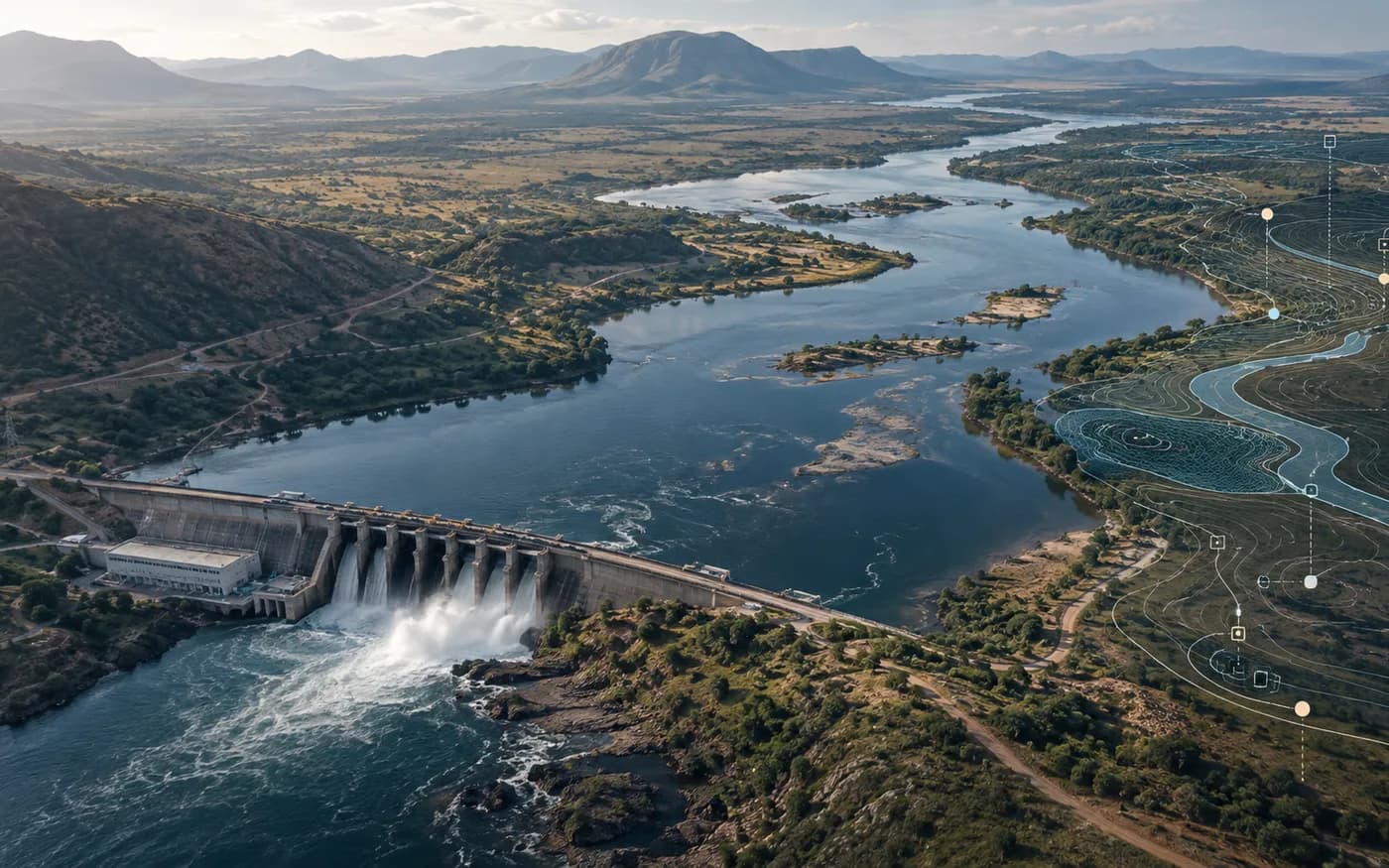
Connected environmental data transformed into better decisions.
Community engagement · Implementation · Programme management · Monitoring
Selected imagery is illustrative and does not depict specific Eco Africa assignments.
Our consultants have extensive experience across major mining, energy, infrastructure, conservation and development programmes across Africa.
Healthy natural systems are not separate from infrastructure. They are infrastructure.
Living systems provide water, protection, connectivity and the foundations of economic and social wellbeing.
Built and ecological infrastructure perform best when they are planned as one connected, adaptive system.
Resilience lasts when local knowledge, livelihoods and shared benefit are part of every decision.
By designing for all three, we move beyond compliance toward places that can adapt, recover and create value over time.